Rich Gambale
Garden Design
Let’s Plan Your new landscape design!
Garden Design
Initial Call & Garden Visit
Our process begins with a phone call with Rich. He’ll ask a few general questions and help you choose a day to walk your gardens together.
During the garden visit, Rich takes time to listen—what’s worked well, what hasn’t, and what you’d like to improve. He evaluates the site conditions, including sunlight exposure, soil quality, drainage, and how these factors affect your existing plants. Based on what’s thriving and what’s struggling, Rich will share ideas to enhance and strengthen your garden.
Sometimes homeowners know the challenges and just need guidance or a mentor. Rich can provide a clear maintenance, renovation, or installation plan. He can also create a design you can implement yourself or a fully customized design tailored to your unique garden.
With over 40 years of hands-on experience, Rich knows which plants thrive locally, what they need to succeed, and how they’ll look in 2, 5, or even 10 years. He can recommend the best plant choices and trusted local nurseries, and he works with all types of gardens (see the list at the bottom of our home page).
Plant Selection & Garden Planning
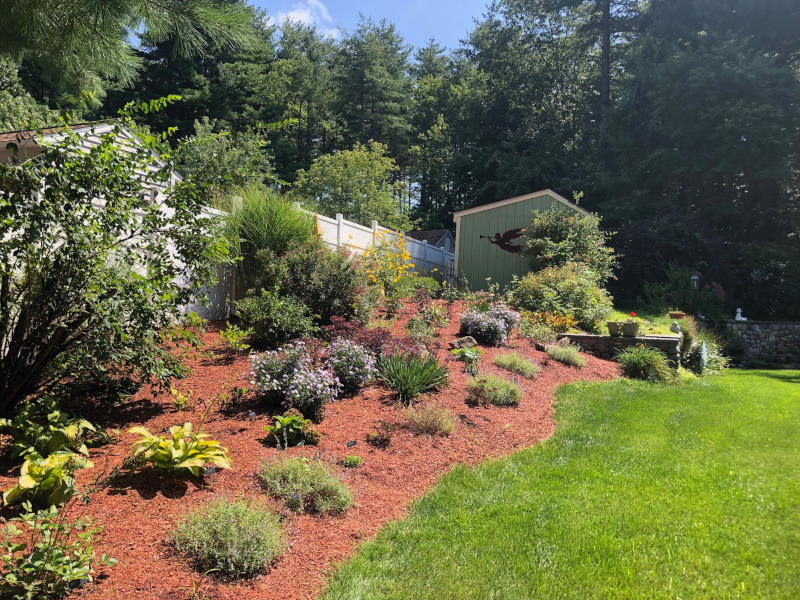
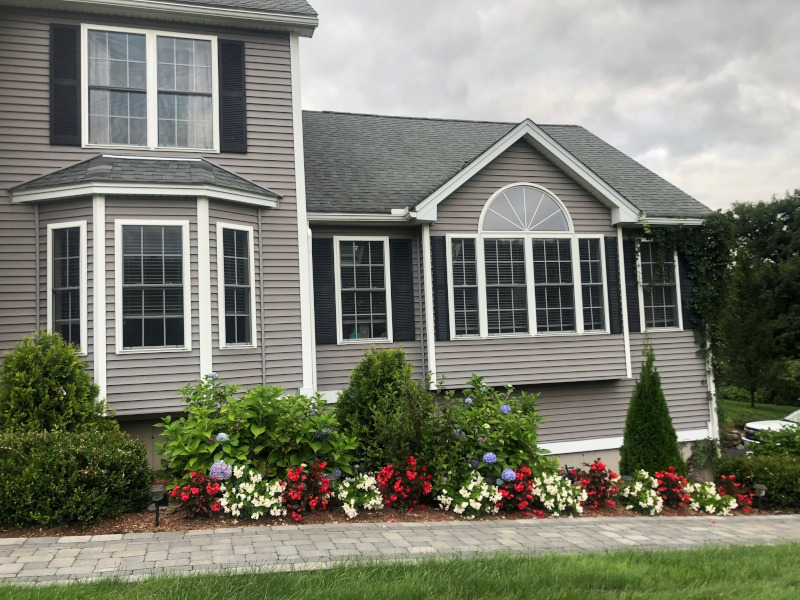
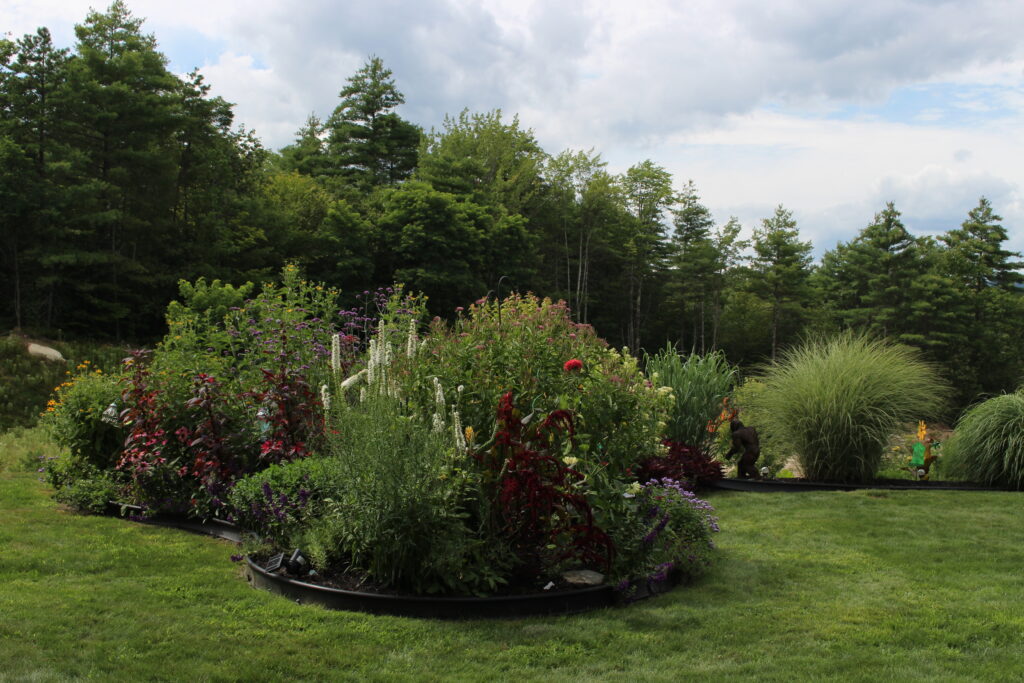
Rich can share extensive photo albums featuring over 240 plants he has observed and grown over four decades in his 10,000-square-foot perennial, shrub, tree, and vegetable gardens.
After reviewing and selecting the plants you truly love, Rich will explain which ones will work best in your garden—whether it’s an inspiration garden, reflective space, or something in between. We’ll also discuss local wildlife and animals that may impact plant selection.
Proper watering and plant care will be explained for your specific garden. Selecting the best watering system is essential, and we can install a drip irrigation system if needed. Rich also offers early-spring fertilization services.
Proposal
An estimate is often created during the first meeting and includes detailed material selections and labor costs. We prioritize locally grown perennials and shrubs sourced from nearby nurseries.
Once the estimate is approved and payment for materials is received, we begin purchasing plants and scheduling installation.
Installation
We use Garden Mix Soil, a specialty blend of premium loam and compost designed to support long-term plant health.
Installation includes:
- Organic quick-start root-boosting fertilizer
- 6–8 month slow-release perennial fertilizer
- A 2–3 inch layer of mulch in your preferred style
Perennials thrive with organic mulch, such as ground leaves mixed with small wood shavings, which naturally break down into rich compost. In Rich’s own gardens, leaves are ground and stored over winter, then applied in mid-May around each plant.
We can also install standard mulches, including Black, Red, Brown, or Hemlock Bark mulch, though these can build up over time.
At the completion of installation, you’ll receive a clear watering guide and a plant map to help your garden thrive.
Follow up:
We want your gardens to be successful. Ask any questions. Early communication of “something doesn’t look right” will help solve a problem. Email is best way to ask questions.
Greenleafs provide’s a 1-year guarantee. If a plant dies, we will replace it at no cost to you. This guarantee does not cover plants that don’t make it due to lack of watering.
Our Seasonal Maintenance:
We fertilize gardens in the spring with a 6–8-month slow-release fertilizer and root booster. August is the next best time to reapply to enhance growth.
For the winter prep. We cut back the perennials and annuals and clean up.
Garden Options:
Raised beds
Elevated gardens are often more productive than beds in the ground because the soil is less compacted, has better drainage, and warms earlier in the spring, meaning that plants will start to grow earlier in the season.
If your soil is poor, compacted, too sandy, or hard clay, creating a raised bed is the best solution. A 50/50 mix of both quality loam and compost is ideal to create gorgeous flowers and productive vegetable or herb gardens. Soil, moisture, and sunshine are key requirements for success.
By being elevated some animals are deterred, the solution to other potential thieves of your hard work is setting up fencing around your gardens.
Hedges
When choosing plants, gardeners usually think of flowers first. Often overlooked are plants with foliage interest, which add a different component to the landscape.
There are many kinds of annuals, perennials, shrubs, and trees that provide leaf color throughout the growing season. Foliage can be an effective background element or take center stage.
Look for foliage attributes such as color, variegated patterns, leaf shape and texture. Some varieties change hues throughout the year, while others exhibit spectacular fall color. Think about how different plants will look together and how foliage complements other features such as flowers, berries, fruit, and
bark.
Color and texture are two of the most important foliage characteristics.
Foliage Coloration and Size
Color, particularly, tends to catch our attention. Whether it’s chartreuse, purple, blue, variegated, or mottled, brightly colored foliage offers a very striking accent in the landscape. Generally, plants with more vibrant foliage are reserved for specimens or for brightening dark corners. Rarely are they used
extensively as a backdrop for the garden.
Variations of grey and silver foliage occur naturally in drier parts of the country. They combine well with many shades of green and can be used in masses, making them very versatile in a landscape design. Gardens featuring silver and grey-toned plants are attractive and calming and can offer a bright spot in the evening hours.
When viewed from a distance, the size of the leaves affects the “texture” of the design, with large leaves giving a coarse appearance and small foliage resulting in a fine-textured appearance.
Less is More
As with any good design, less is more. Pick a few plants to add boldness and contrast and let the rest of the garden offer subtle repetitions and variations of a similar theme. Experimenting with foliage is a fun and easy way to enliven your garden.
The next step is to contact Rich to set up a time to meet. Fill out the email questionnaire on the “Contact Us” page.
Types of Gardens